30 December 2005

Friday Bird Blog: Who-o Am I ?

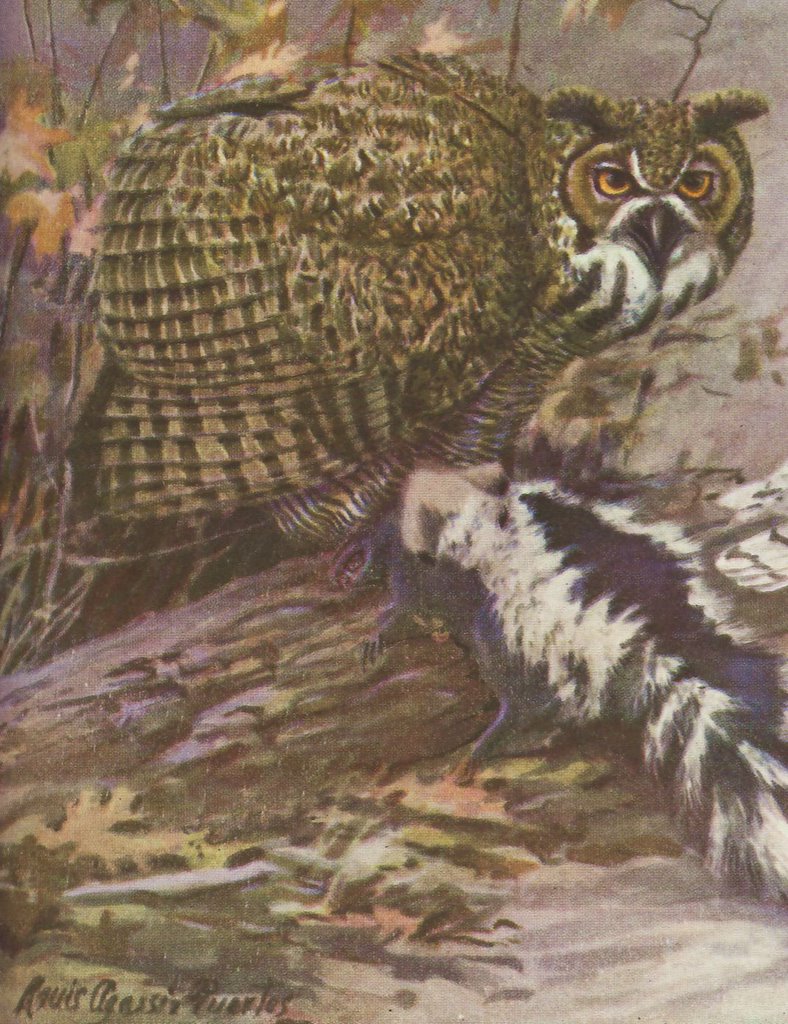
Illustration by
Louis Agassiz Fuertes
My sister lives on a former prairie, farm and woods, all three sacrificed to development. Her site, though, overlooks a preserve where, so they tell her, no building will ever occur. The landscapers even do controlled burns and scatter seeds of native prairie plants each year to help nature along if the burns don’t sufficiently resuscitate the flora and fauna. She has the best view of any, and that’s as it should be, considering her love of the wild things that are looking to reestablish a home base.

On Christmas night, after our fête, she heard her owl, so she and her daughter Amanda and I went out to stand still and listen. Sure enough. Hoo-hoo-hoo. Hoo hoo.

“Not the Screech Owl,” said we. He is named for his call, a sound almost like a glass harmonica, or an eerie whistle. Our visitor’s voice was resonant and deep.

I didn’t have time to look up her owl-in-residence until just now. What we heard was the Great Horned Owl, a male announcing his GPS locus. According to the bird books, he isn’t friendly, but, hell, how would you act if crazy, destructive humans kept you on the run? He is among the most adaptable of the owls, however. His diet is small animals, unlike the Screech Owl, who prefers mice.

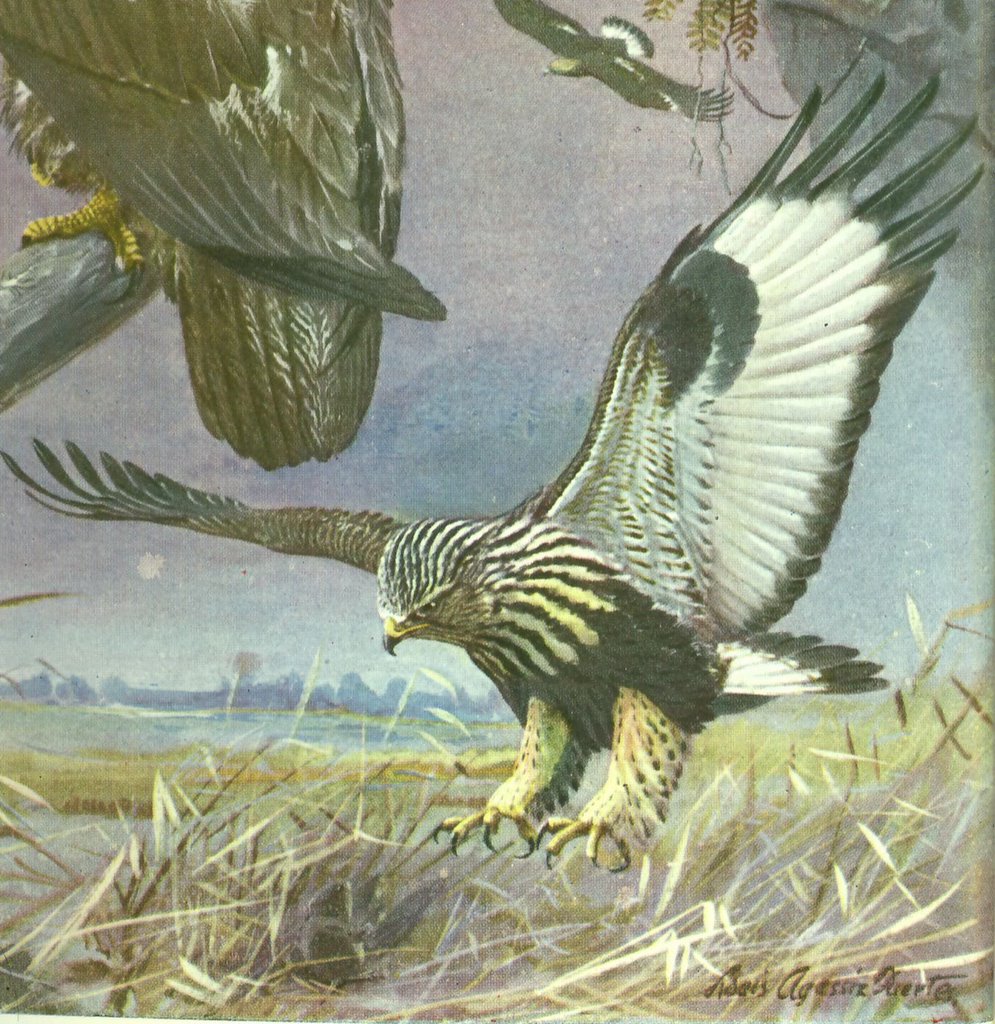
My sister’s cat, Charles, prefers mice, too. I was concerned that he might run into more competition that he’d bargained for, if the owl was looking for mice. As it turns out, the owl might be looking for Chuck. The picture here shows a deceased skunk in its talons. Charles has encountered skunks, as well, in his travels, and FYI, giving a cat a tomato juice bath (the home remedy for skunked puddy cat) is both dangerous and a waste of time and tomato juice. Just ask Chuck.

This
link has a succinct description and audio links with its call. Woo hoo!

26 December 2005

Boxing Day Greetings from Arthur


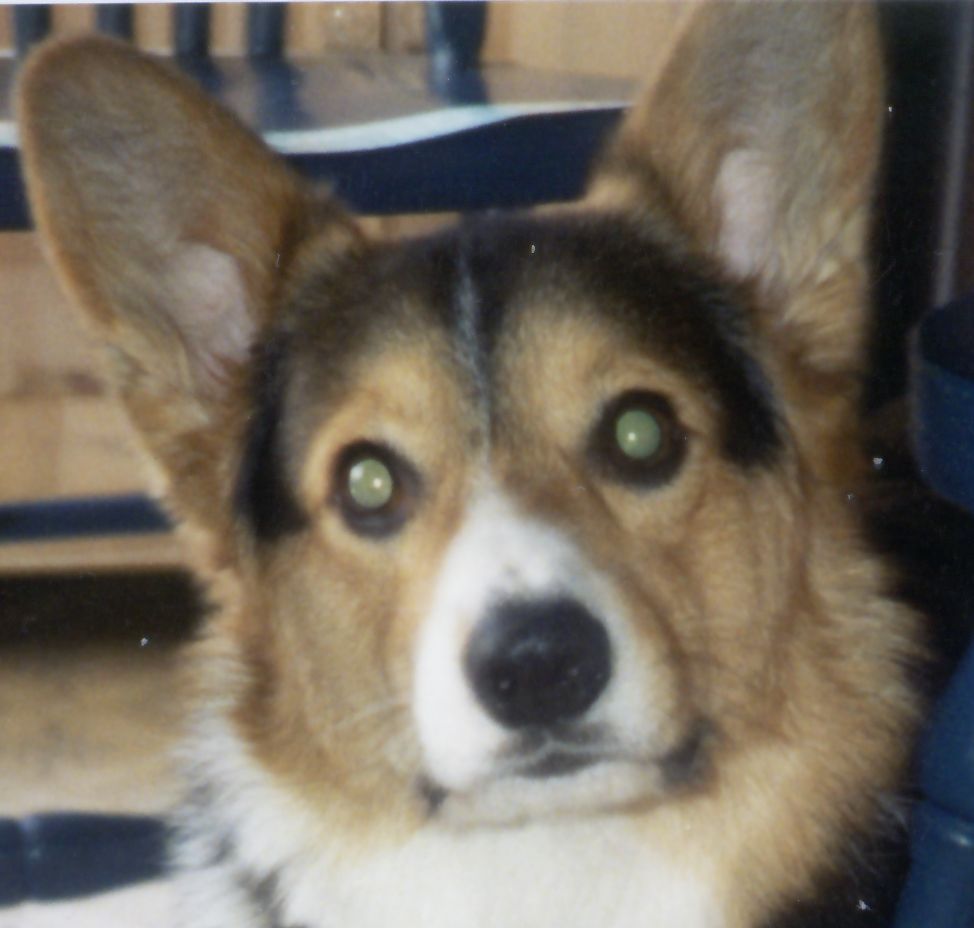
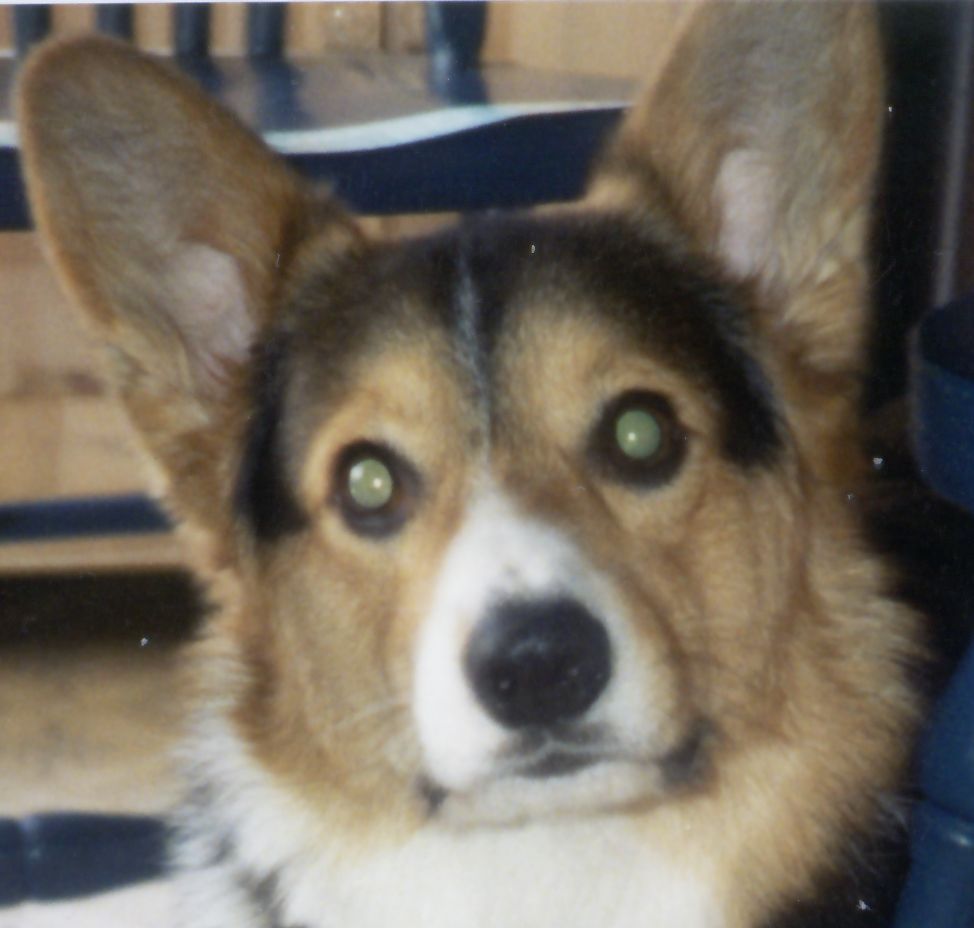
Today is Boxing Day in Jolly Olde England. Even though I am a Welsh American, I appreciate the Queen. She has such excellent taste in canine companions.

On Boxing Day masters are supposed to give their servants presents. Most of my dog friends celebrate Christmas, because they are part of the family. For example, I got cards from Winston and Truman, my Maltese cousins in Iowa; Butch Brand, my cousin in Elmhurst; Rock Parker, a really cool guy who lives in my old neighborhood; and an email from my friend Jim. He is not a dog. All were Christmas cards, so you can easily see I am not a servant.

I don’t understand why the servant dogs don’t just pull themselves up like I did after I was sold by the breeder for $350.00. That’s quite a body blow, to be sold for only $350.00. But I would not quit until I reached the top. I spell 'luck'
'w-o-r-k'.

Quite a few cats sent us cards, too, but they can get their own blog column.

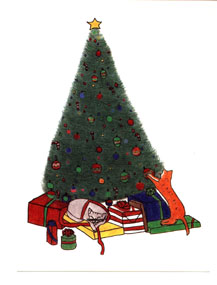
Speaking of, here’s how the freeloading dopes celebrated Christmas. First, they got catnip from management, but I happen to know that it isn’t a new package. It’s the same old cat nip she gives them on Saturday nights. Then “Santa” provided a gift from Hartz Mountain, whatever that is. It is a Wacky Mouse 3-Pack. There are 3 calico catnip fake mice with a jingle bell on the rear end. Big Whup. Since the cats can’t count, I ate two of them, and now they are fighting over the last one. Management will think they lost the other two. Ho ho ho. This is so funny.

Catnip gives you the munchies, though. I wish management knew someone who would buy her a box of Godiva chocolates. She’s too cheap to buy them herself.

24 December 2005

Peace on Earth


'Listening to some wonderful harp arrangements of Christmas music. I think I can go to bed in about an hour if I don't fool around at all. 'Traveling Christmas morning. A lovely day to all. be safe and happy. Merry Christmas!

23 December 2005

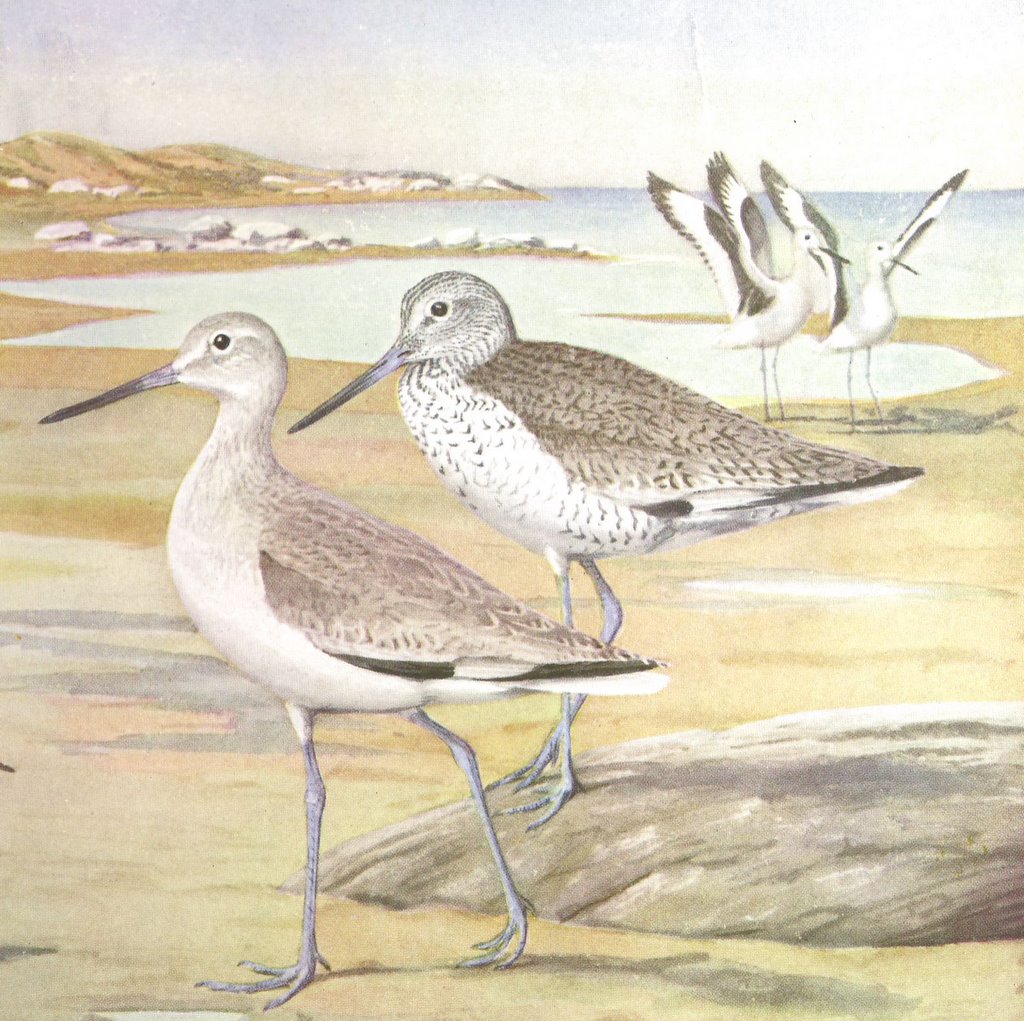
Friday Bird Blog: A Wandering Willet

Illustration by Louis Agassiz Fuertes
l. Western Willet, r. Eastern Willet

A Willet is lodging at the Whiting Power plant discharge canal in Monroe County, Michigan. It has been sighted there since November 25th and was counted in the official Christmas bird count recorded on December 17th by the local enumerators. As I think I mentioned before, a census of the bird population takes place every year at this time. The period this season during which bird watchers, generally organized by an Audubon chapter, will identify and take note of all birds who happen to present themselves within a specified area is December 14th to January 5th, 2006.

The Willet, either a Western or Eastern subspecies, is not supposed to be in Erie, Michigan in December. Normally, the ones I’ve seen along the Lake Michigan shoreline are packing their bags for the trip south already in late July. They are Specialty birds in these parts, as their breeding and winter ranges – eastern or western – are along both ocean coasts. Here is a summer distribution map provided by the us gov:

The map doesn’t distinguish between Catoptrophorus semipalmatus semipalmatus (the Eastern Willet) and Catoptrophorus semipalnatus inornatus (his Western cousin). In the late 19th Century Willet eggs were a prized delicacy and the birds were a sporting target, so the dangerous homo sapiens put a serious dent in the population. The subspecies are nearly impossible to tell apart unless they happen to be together at a family reunion or something. A single bird among other species would be very tough to identify.

The Monroe County specimen found a pleasant and welcoming niche at the Whiting power plant. Whiting is a coal fired facility, not a nuclear one, and it has won good citizen awards for environmental stewardship from the state of Michigan and nature and environmental groups. Where native human populations manage to stay put for a few generations it seems to me that they – or many of them – take note of their surroundings and resent it if the landscape and its inhabitants start to disappear. (This rule would not apply to real estate developers and their backers.)

The employees at the Whiting facility, a Consumer’s Energy (formerly Consumer’s Power) plant, maintain a wildflower meadow, and a local Lotus club tends a pond where a native species was found to thrive. They alone can harvest the seed and propagate it.

Through the years I noted that many birds find their way to the Whiting plant, and birders know to go there, of course. Whiting has been around since the early ‘50s, so it, too, is part of the local scene. Its web site lists how much tax it pays to the local authorities and how the employees, as well, support local commerce. All true. Too bad we can’t get a clue about energy use.

(By the way, I just learned that Consumer’s is putting its Palisades nuclear plant, located on Lake Michigan’s eastern shore, up for sale. There are 5 or 6 nuclear plants on the southern tip of Lake Michigan.)


NOTE: Blogger is a pain in the backside today. I'll try to upload other images later. GRRRR!

02 December 2005

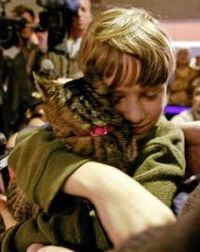
A nitwit cat from Neenah


As usual, America is succumbing to liberalism and low moral standards. This time it is over a stupid cat named Emily that walked into a crate and ended up in France. Friends, what about personal responsibility? What about consequences? The nanny welfare state is to blame. These leftists and liberals love a story like Emily the careless cat. I hope my tax dollars aren’t going to pay for this. Management is all glowing about a cat rescue. I can’t even get her to take me for a walk. ‘Think I’ll go pee in the dining room again. That’ll get her attention.


Photo AP/Darren Hauck

18 November 2005

Friday Bird Blog

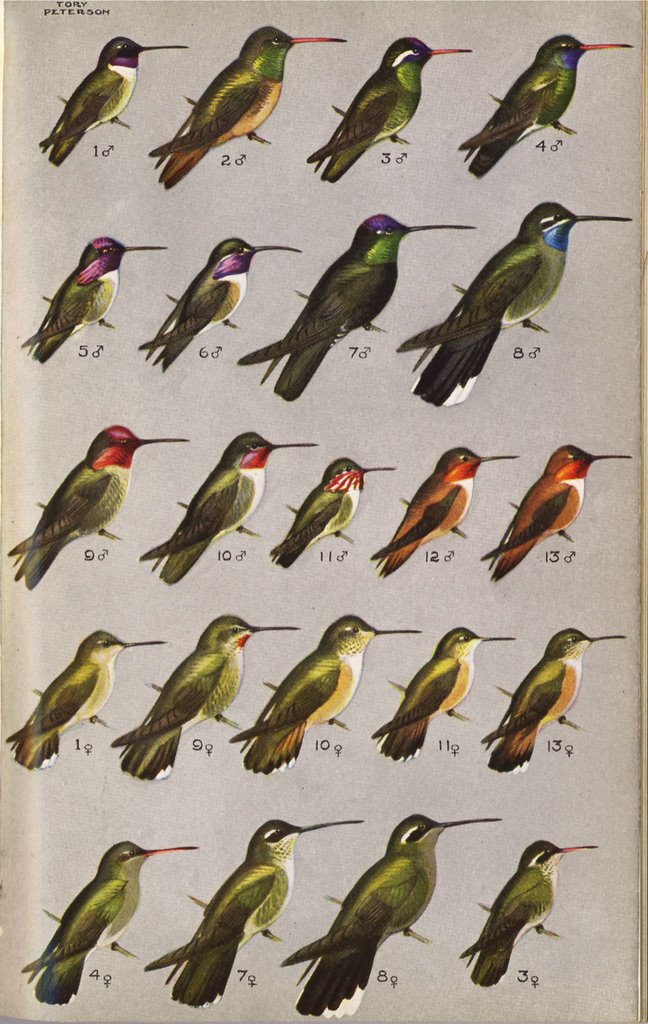
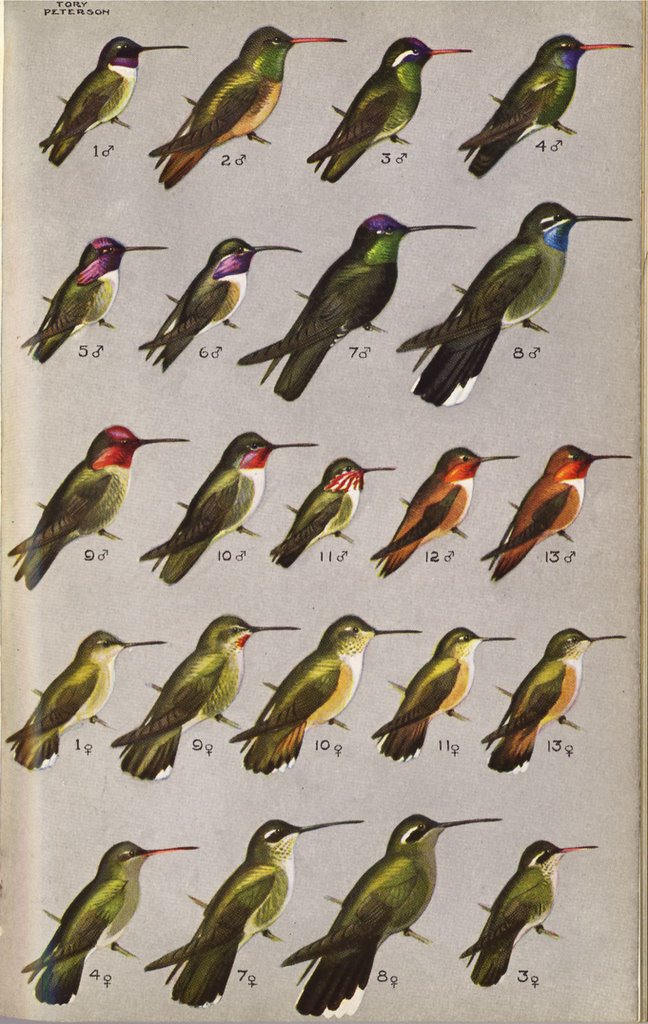
Western Hummingbirds
A plate from A Field Guide to Western Birds.
Illustrations by
Roger Tory Peterson

On Thursdays when I remember to do it I call the Michigan Statewide Bird Report hotline to see what unusual sightings people have called in during the past week. Yesterday’s report had the following:

In Livingston County, an immature Rufous Hummingbird has been hanging out at a home birdfeeder in the town of Brighton. At least he still was there on November 16. Birders are welcome to park sensibly and go around to the back yard where the feeder is. (Does this sound like A Prairie Home Companion?)

The Rufous Hummingbird is a native of the western United States, but there are occasional, but still rare, sightings in the Midwest. As a rule of thumb all hummingbird feeders should be taken down in late August or early September in places where the winter means business. Several years ago in Wisconsin, a Rufous Hummingbird was taken captive by the Milwaukee Mitchell Park Conservatory (a wonderful place), because he/she was still lapping up the sugar water in November.
Roufus Hummingbirds
Illustration by Louis Agassiz Fuertes


Next, in Wayne County Cave Swallows were seen at the Lake Erie State Game Area Pointe Mouillee and they crossed over into Monroe County, too. Apparently the Monroe County trolls are hibernating already, as there is no report of fines for trespassing. Michigan is broke, so don’t think for a minute that I’m kidding. Michigan and Ohio went to war over the Toledo line, which was part of Monroe, in the 1830s. Ohio got Toledo. Michigan got the Upper Peninsula, pasties, bears and copper. Monroe is still pissed off. But they should be glad to have some big-hearted Texas swallows visiting. This might be an effect of the hurricanes.

There was a Ross’ Goose in Muskegon County from November 8-13.

And in Allegan County at the Todd Farm, an immature Golden Eagle was present on November 12. The Todd Farm in days gone by was a major oasis, a pit stop for migrating Canada Geese. But they don’t migrate any more, I guess. Every year we’d make the trek to Fennville, Michigan to gaze at probably 100,000 geese, stop at the cider mill, buy apples for the Thanksgiving apple pies – which my father baked – he was an excellent cook – and probably we’d have taken sandwiches along and a Thermos of coffee.

Finally a Great Gray Owl was present at the Tahquamenon Falls State Park in Newberry in the UP. The Tahquamenon Falls are spectacular by the way. I’ve not been there in the gloom of November, but I like rugged weather. Just not in May.

Immature Golden Eagle.

11 November 2005

Friday Bird Blog


Whistling Swan
Cygnus columbianus

Illustration by Louis Agassiz Fuertes

From November 15, 1959

"DECATUR - Decatur residents living on the Lake of the Woods were delighted Sunday by the frolicking of five wild whistling swans. [The use of the word 'wild' would have made my mother wild, as whistling swans are ever "wild", never domestic. But at least the local paper had reported the sighting.]

Mrs. Darl Sink, who first spotted the swans said this is the third year she has known them to pause here on their migratory flight south. [Their winter headquarters is along both coasts as far south as Florida and southern California, but more generally around Chesapeake Bay and Currituck Sound (NC).]

She said they spent all day Sunday gamboling about and feeding in the lagoon at the east end of the lake.

Mrs. Sink identified them as whistling swans after consulting the Audubon bird book."

Sighting the whiltling swan in the interior would have been somewhat unusual, although the Great Lakes can throw even experienced birds off, I suppose.

10 November 2005

Timely Hopkins Poetry

Spring and Fall

to a Young Child

MÁRGARÉT, áre you gríeving
Over Goldengrove unleaving?
Leáves, líke the things of man, you
With your fresh thoughts care for, can you?
Áh! ás the heart grows older
It will come to such sights colder
By and by, nor spare a sigh
Though worlds of wanwood leafmeal lie;
And yet you wíll weep and know why.
Now no matter, child, the name
Sórrow’s spríngs áre the same.
Nor mouth had, no nor mind, expressed
What heart heard of, ghost guessed:
It ís the blight man was born for,
It is Margaret you mourn for.
~Gerard Manley Hopkins~

This is copied from bartleby.com, so I could get the stresses right with little effort on my part.

Our goldengroves still hold about half of their leaves. It is the latest by far I remember the trees holding their color. Usually Veteran's Day offers a bleak landscape.


When I was young I loved this poem. The worlds of wanwood leafmeal are upon us, don't you think?

31 October 2005

Send your leftover candy to ...


Me!

Today is one of my favorite days of the year. Why? Not what you probably think.

It is pretty annoying when 60 or 70 little bipeds climb the steps to ring your doorbell begging for candy which you don’t even eat yourself, or in my case, aren’t allowed to eat. I wouldn’t mind so much if a few of those Snickers made their way into my treat box, but the vet is no darned fun, and management listens to him like he’s God or something. Chocolate is supposed to be bad for dogs. Did they ever ask even one dog about this foolish supposition? I didn’t think so.

The reason I like this day so much is that I get to show off all night. Every time someone bangs on the door or yells, “Trick or Treat!” I bark and carry on like it’s the Rapture. As a special bonus, sometimes I scare someone, and they run away.

One year I was so successful at this, a little person dropped his trick-or-treat bag, losing a Three Musketeers bar and a Saf-T-Pop in the rush to get away from the fearsome Corgi. Ha ha ha. The best part was that management didn’t realize there was plunder in the yard the next day until she saw me chewing on the sucker stick and then spied the candy bar wrapper remains. (I hardly had time to get the whole wrapper off, and in retrospect I suppose it would have been smarter just to eat the candy wrapper and all.)

I got yelled at, but so what?

Just now I had one of the cats knock over the trash can so I could smell the bag the Milky Ways and Hershey’s came in. If I could bring myself to be a little nicer to the feline crowd around here, I might convince one of them to filch a few goodies from the table by the door, and then I could hide them under the couch, or just eat them real fast, but I have my pride to consider.

28 October 2005

Separated at Birth?


L. Jabba the Hut
R. Exxon Chairman and CEO, Lee Raymond
(Thanks to SPY magazine of old. )

26 October 2005

Midweek makeup bird blog

Slate colored junco
illustration by Allan Brooks (no relation to Bobo)

Good thing this isn't a retail store. Thank you for your patience. Shall we print up a button or bumper sticker "I'd rather be blogging"? Cap'n Midnight over on Watertiger's blog a while back gave me permission to print his, "You can never be too rich or morally thin" after a David Brooks column on - what was it? - oh, some disdainful firecracker (a dud) about "liberals". Bobo had described an argument as "morally thin". David Brooks would love to be a liberal because it is so much more fun. It must be difficult to perform those reasoning contortions he does twice a week. Already I'm off topic in my own blog.

OK. Here goes. Makeup birdblogging. The juncos are back in numbers. Two nights ago the late evening sky was slate colored like the bird. Clouds were steely, and the air felt frosty. We haven't had a hard freeze yet, and that's a good thing, Martha, because I still have tomatoes and eggplants on the vine.

This morning I was coaxing Arthur the Welsh Corgi (who is working on setting up his own blog, if I may presume to blog whore for him) to go outside, and there was a commotion in the back yard. Down swooped a hawk, two white stripes on the tail. He was hoping to have junco for breakfast. The blue jays went nuts, and all the breakfast-sized birds flew into the denser trees and evergreen bushes.

Last night Jelly Bean (JB), a cat who agrees to eat and sleep here and let me pay his medical bills, brought me a mouse. Dead, of course. It was sitting on the back door mat. I thanked him with true sincerity, because it is a great compliment to receive such a prize. Mr. Hawk would be very interested in the local rodents, too.

Arthur decided to take a walk this morning, because it is garbage day, not unlike pay day for humans. He didn't have his collar on, so I had to follow along. I'm a bit surprised the police didn't show up to arrest an unleashed dog walking around the block. The neighbors are old and very particular. One cannot, for example, park one's car in a driveway overnight. It must be kept in a garage. The craziest neighbor saw us out walking and stood in the street and stared, glowering. There is no regulation against walking (yet). I walk to get places. They walk only to keep their ageing hearts pumping.

We noted many, many chickadees and heard robins peep-peep-peeping. That's what they do when they're bob-bob-bobin' along. They are starting to flock. Last week I heard one singing like spring. It was a beautiful day, and he had a right to be in a good mood.


16 October 2005

Belated bird blog


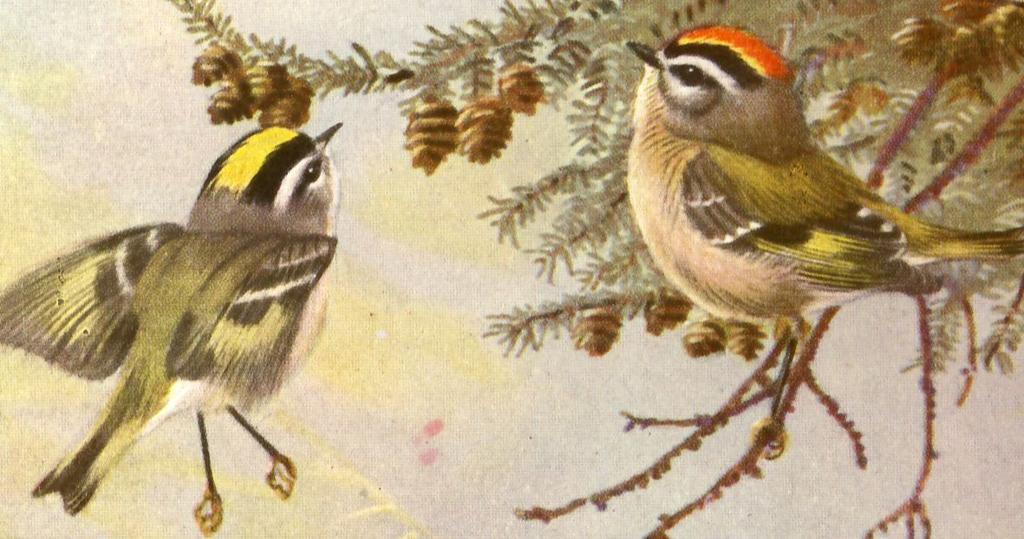
Along southwest Lake Michigan today, the weather is perfect. The breeze is a tad cool, but it is a great day to be outside. Making my way back from the store this morning on foot, as I passed by a lovely ravine the people who own the property had the sense to preserve as is – except for a bridge across the stream that runs through it – about 2 dozen golden crowned kinglets flitted out of the tree tops to the roadside, just to be friendly, I imagine. The Catholic Church is down the road from the ravine, so while I stood there beaming friendly vibes back at the breakfast tableau, which included many native inhabitants, six or seven cars/mini vans rushed past me, but the kinglets didn’t seem to notice. The insects must have been too yummy to resist.

There probably were ruby crowned kinglets among the golden crowns, but I didn’t see them up close. Kinglets are pretty tiny, smaller than warblers, but possessed of the same habits, like refusing to sit still for more than 5 seconds. I wished them well and a safe journey. Not golden crowned kinglets travel to the southern most winter range which is the Gulf of Mexico. The ruby crowned kinglet has a slightly different, though overlapping range, but generally winter in the southern United States.


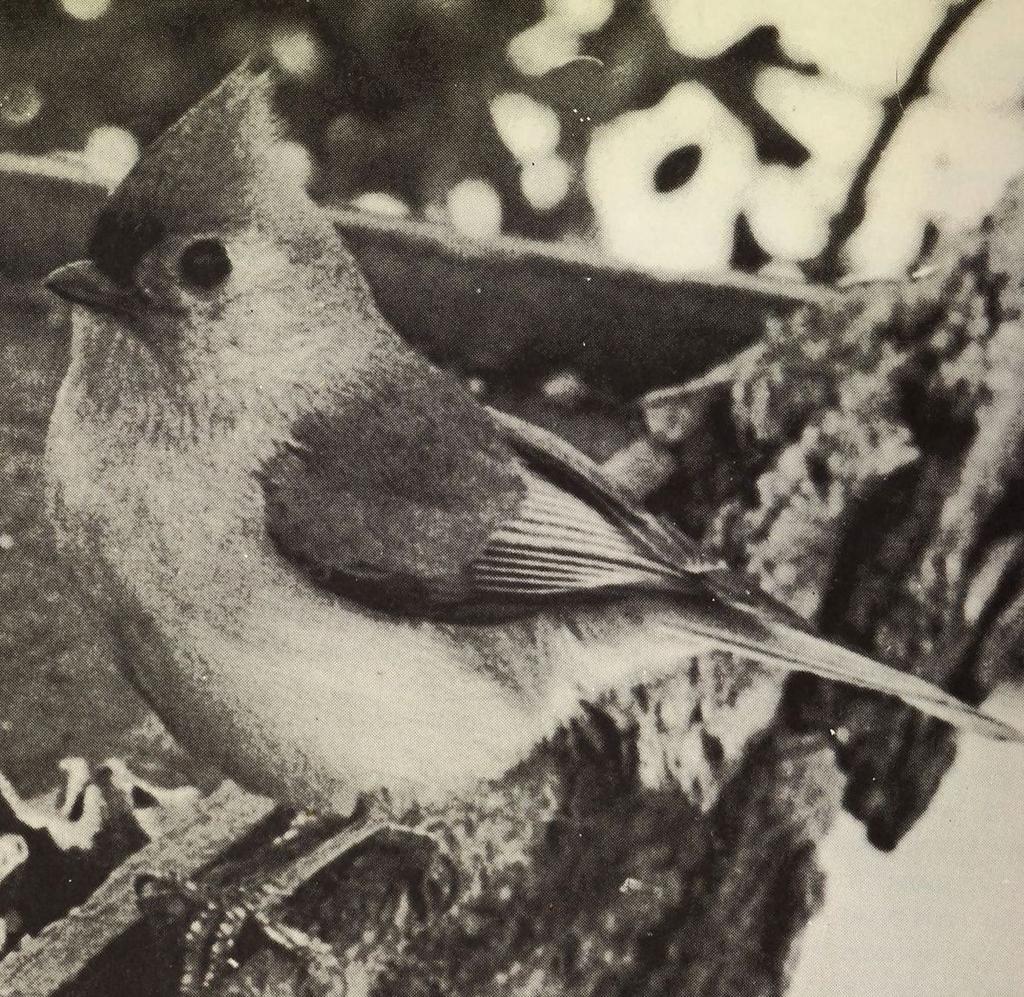
My very good friends the tufted titmice were on hand, and I urged them to stop by my feeders any time. They are such clowns, friendly like their cousin the chickadee, and they all appreciate thoughtful humans. Mr. red headed woodpecker made a conspicuous appearance, and I invited him over, as well.

14 October 2005

Big Anniversary in Western History

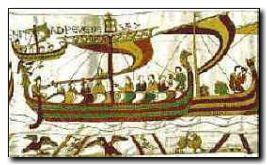
a panel from the Bayeux Tapestry

On October 14, 1066 in a place now called Battle about 10 km north of Hastings on the English Channel the signal event in British history took place. It is among the dates we are likely to remember: 44 BC (Beware the Ides of March), 1066, 1215 (Runnymede and King John), 1492 (more significant for the expulsion of the Jews and Muslims from the Iberian Peninsula by Ferdinand and grisly Isabella), 1622, 1776.
The Normans (Northmen, Norsemen, Vikings) under William the Bastard, Duke of Normandy, routed the Anglo-Saxon aristocracy, killing Harold Godwinson, the King, in the process, and William was crowned on Christmas Day in Westminster Abbey. William in his own right had a somewhat tenuous claim to the throne of England because of blood ties to an earlier Anglo-Saxon king and because, while shipwrecked on the Normandy coast and taken prisoner, Harold Godwinson had sworn to support William’s bid upon the death of Edward the Confessor. The promise to back William gained Harold his release, but once back home Harold went about business as usual. Apologists for William refer to the subsequent “peace” among warring factions as justification for his incursion, and, of course, the imposition of continental culture, far more refined and civilized than that of England in the Eleventh Century.

Like another decisive onslaught across the English Channel about 900 years later, the weather delayed the launch of William’s fleet. During this time Harold Godwinson fought off another invasion in the north. When William finally landed in Sussex, site of Harold’s estate, he got right down to business pillaging and plundering. Word reached Harold, of course, and perhaps out of personal spite, he marched his battle worn army 250 miles in 9 days to meet the challenger,
rather than waiting to restock his army. Even so, there was approximate parity in the number of troops, and Harold had the high ground, a strategic advantage.

William had raised troops from not only the Norman aristocracy, but from the German lowlands and most significantly from the second and third born sons of aristocratic Norman families who, by the law of primogeniture, were denied a title or land. William promised them such if he prevailed. He secured the backing of the Pope, Alexander II, (for those of you keeping score), his
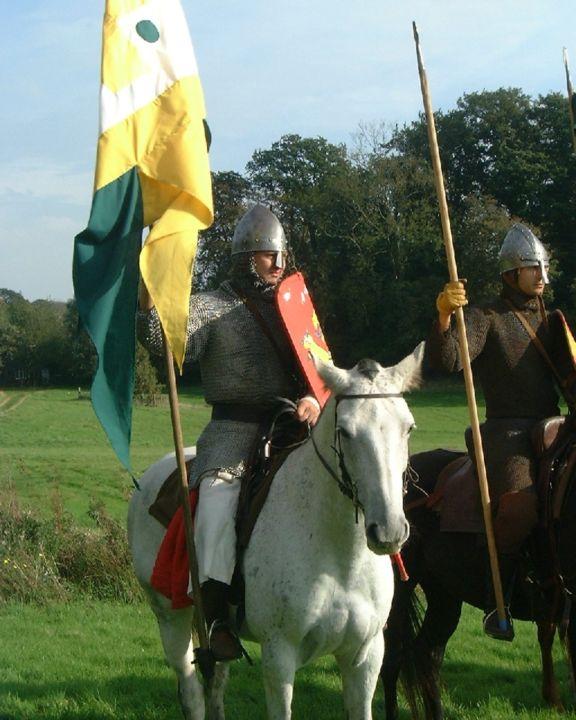
explicit blessing and also a gift of a banner, as was customary for a religious crusade. Papal banner from the Battle of Hastings
from a 2004 reenactment

David Howarth wrote a little book published in the mid 1980s entitled 1066: The Year of the Conquest. I gave it out as holiday tokens to my clients one year. It is short and very well written. It reconstructs what life would have been like for the people of England in the year 1066 against the backdrop of Titanic struggles transpiring among the nobility. I had taken my copy out to review it and misplaced it among the boxes and piles of papers that comprise my life at the moment. Hmmm. When I find it – and if I don’t, I’ll buy another copy – I’ll review it again.

Thanks to the Normans we have centralized government and the Domesday Book, a census, the first ever taken in England, and it is an invaluable record for genealogists and historians. According to Henry Adams in his book Mont Saint Michael and Chartres, if you have English blood, you have Norman blood. (I may have Norman ancestry via my Tindall, Copper and Purdy antecedents, but absolute proof is impossible.) Henry was an unapologetic aristocrat back when it was OK to claim one’s inherited superiority loudly. The Normans, despite the distasteful displays of arrogance and snobbery by some of their descendants (and Henry Adams was indeed a remarkable person and a superior intellect), were resolute, strong, shrewd, smart and civilized. But William’s foray was the very last successful raid upon English soil. May the record stand another 1000 years.

Go read this, too: Battle of Hastings vs. Hasty Battles by Elaine Meinel Supkis

09 October 2005

Chicago Day, October 9, 1893


"The memory of Chicago Day is the meed and palm that will forever be awarded to the men who built the Fair."

Chicago Day, The White City
October 9, 1893

Back before Olympic contests for the right to spend themselves into bankruptcy hosting the Olympics, cities worldwide staged expositions: Philadelphia in 1876; Paris in 1889; Chicago in 1893. Today marks the 112th anniversary of Chicago Day at the World’s Columbian Exposition where 761,942 happy fair goers passed through its gates, but the overwhelmed ticket takers may have admitted closer to 900,000. It still is the biggest single day “gate”, but I believe that a couple of soccer contests in the 20th Century may have come close.

Chicago Day was on the exact anniversary of the Great Chicago Fire 22 years before, Monday, October 9. This day, October 9, 2005, is the annual Chicago Marathon and a recital at Orchestra Hall that I am going to miss – Andras Schiff playing the Goldberg Variations of Bach. Grrr. But
I’m happy to be writing about one of my favorite periods in American history.

The Columbian Exposition put Chicago on the map as a cultured place. City fathers, whose lengthy promotional speeches prompted haughty New York competitors to dub Chicago the Windy City, were eager to erase its rough frontier image. The industrialists, Philip Armour and George Pullman, retailers Marshall Field and William Hibbard and architect Daniel Burnham (“Make no little plans.”) among many others contributed substantial sums to bring the idea of a well-ordered, beautiful, utilitarian city to life.

Between 70 and 80% of Chicago’s population in the 1890 census was foreign born or first generation American, and they comprised the labor force for the stockyards, slaughter houses, meatpackers, railroads, smoke stacks, clothing and agricultural machinery manufacture. Because of Chicago’s significant position in the industrial sector, labor unrest had been a prominent and regular occurrence. In the fair’s design its planners wished among other things to establish a sense of control over the masses while not alienating them altogether. Their labor was, after all, a vital component to the Commercial Club membership’s continued prosperity. Fair construction itself required thousands of workers.


Largely businessmen the fair’s organizers were progressives, and their expansive outlook - for their own power and wealth accumulation possibilities primarily – imbued the fair with modernity. There was a women’s building and women’s planning board (wives of the planners mostly). Electric lighting was employed throughout. And ecumenicism and multiculturalism got a fair nod.

The old social order was already giving way to the new. The father of the creator of 20th Century America’s top cultural icon – a cartoon mouse – was a laborer at the Fair.

08 October 2005

137 DeKoven Street


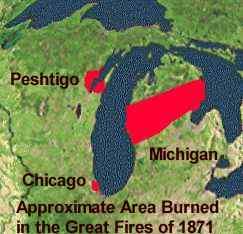
The parched summer and early autumn of 1871 around the Great Lakes foreshadowed the ghastly events of the weekend of October 7-9. Some theorize that sparks from a comet touched off fires all over the Midwest, but the more probable cause was extreme dryness in which the tiniest ember might launch Armageddon. So it was on the night of October 8 on Chicago’s west side in the barn belonging to the O’Learys. (Cow’s rights activists have long resisted the defamatory association of the O’Leary cow and the Great Chicago Fire. The only witness for the story was the neighborhood liar. )

The deadliest fire in US history, however, occurred on the very same weekend in Peshtigo, Wisconsin, where almost 1200 people died. In addition across the lake over one million acres
burned from Holland on Lake Michigan’s eastern shore to Saginaw Bay on Lake Huron.


Many insurance companies were bankrupted as a result. One Chicago underwriter, Gurdon Saltonstall Hubbard, eventually paid all the claims against his company. There were around 200 companies with exposure, and only about 50 of them paid claims in full.

After the fire tens of thousands were left homeless, and the city's gentry were scared out of their wits. Angry mobs aren't known for level-headedness or deferring to their "betters." The mayor of Chicago decided not to ask for federal troop assistance to deal with the problem. However, the monied elite went around him, and as a result, Fort Sheridan** was constructed about 30 miles north of the city specifically to be a nearby aid to putting down any "insurrections". Armories started to be built within cities at this time, as well. They were fortresses for quartereing troops and stockpiling munitions - to be used against the citizenry.

(**It was closed when the Cheney defense department in early 1990s was punishing the taxpaying liberal [That's a redundant description folks.] northern states.)

07 October 2005

Friday bird blog


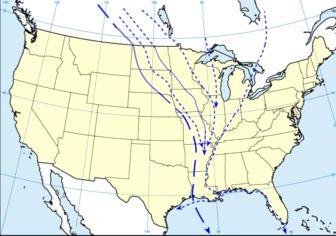
In the Roger Tory Peterson Field Guide to the Birds, there is a whole section devoted to confusing fall warblers. Autumn entreats the traveling bird population to get packing, and one of the major routes south is the Mississippi flyway which takes in Chicago and the other side of Lake Michigan where I've done most of my bird observations.

Warbler watching is considered advanced birding because a.) they won't sit still; b.) the majority are the same color as the foliage both spring and fall; c.) most prefer tree tops. The best days to watch are after a change in the weather. Today would be such a day. It's gloomy, low light, much cooler.


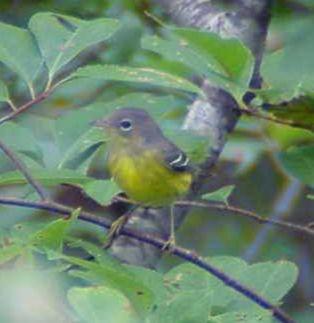
For the heck of it I scanned a Magnolia warbler (male - they're always the flashy ones) in its spring coloration and took a photograph from a lovely photo site of an autumn traveler in a Massachusetts woods. Warblers in their migration garb look like they all shop in the same store - drab, faded stripes, regulation olive/khaki/yellow. They look a little tired, but after a summer of frantic nest construction and child rearing, the gray seems appropriate.


Many lose their lives flying into buildings. This time of year I always see at least a few thrushes, kinglets or warblers on the sidewalk around the Sears Tower or Hancock Building. One fall I took a ruby crowned kinglet up to the Lincoln Park Zoo in a cab. I'd found him by the Opera House where he was trying to figure out where the hell he took a wrong turn.

The Magnolia Warbler heads to Central America for the winter, having nested in the great white north. He's a little easier to spot on his return appearance in the spring, because the black and white stripes contrast with the green gone mad of the woods they prefer
.

02 October 2005

Natural Royalty


We are into autumn. Night temperatures have gone as low as 41 degrees, and there’s heavy dew this morning. Robins and starlings are starting to flock, although I saw blackbirds flocking in August on several occasions. It was a bit disorienting, and I thought maybe it presaged an early autumn or vigorous, shall we say, winter. Maybe they were tuned into the hurricanes so many miles distant. Anyway, it was kind of phenomenal, and I need to look into it.

Monarchs still are around, or they were as of Thursday or Friday. I haven’t ripped their lunch out of the ground yet, nor will I until early November. I like working outside in the fall, even on miserable days. It must be Yankee stubborn or something. On record cold days in the early ‘80s, I made sure I went outside, walking to the Treasure Island (grocery) store, costumed like Cousin Itt. Anyway, Mr. and Mrs. Monarch better skedaddle for their winter digs.

Like all the rest of God’s creatures, the Monarchs are hurting because of development and chemicals. It’s a subject guaranteed to raise my blood pressure. That’s our culture. We demand new construction, turf grass, and chemicals to “sustain” (highly dubious supposition) giant agribusinesses and keep the “weeds”, both human and herbaceous, out. Some day Monarchs will be seen only in books ( if the books haven’t all been burned).

The picture here is from a little pocket guide published in the ‘40s. Years ago – it must have been in the early ‘60s – my parents were out “birding” one fall day, and they reported they’d seen a tree absolutely laden with Monarch butterflies. It was as if each leaf had its own Monarch assigned to it. They couldn’t believe their eyes.

Every once in a while the universe favors people who deserve a special, awesome treat, people tuned into its wonders, but it was harder and harder for my mother in later years to see the destruction of so much of “her” country. She was an environmentalist before the word was coined and supported organizations that worked to preserve Mother Nature’s space. There doesn’t seem much point any more – if there ever was – trying to fight the developers. She protested the building of a grocery store in the 1950s, because the marsh land the store would occupy was home to so many species. The store is long gone. It was an empty hulk for a long time, then taken over by a Goodwill outlet and now, rehabbed, is a government office of some sort. A common pattern, that.

30 September 2005

Friday bird blog


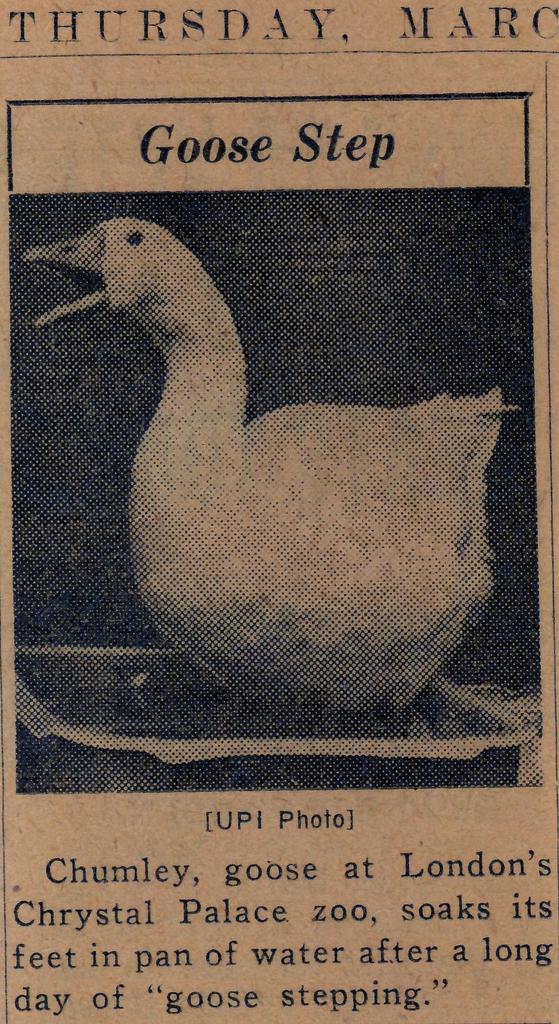
British Goose:
Goose stepping is for geese

Chumley was an employee of the Crystal Palace zoo in London in the 1960s. The caption says, "Chumley goose at London's Crystal Palace zoo soaks its feet in pan of water after a long day of "goose stepping."
Chumley's main mode of transportation, namely flying, most assuredly had been modified. No self-respecting goose would ground himself voluntarily, so zoo officials undoubtedly clipped his wings. Chumley's recompense - fleeting fame and a foot bath.

23 September 2005

Friday bird blog

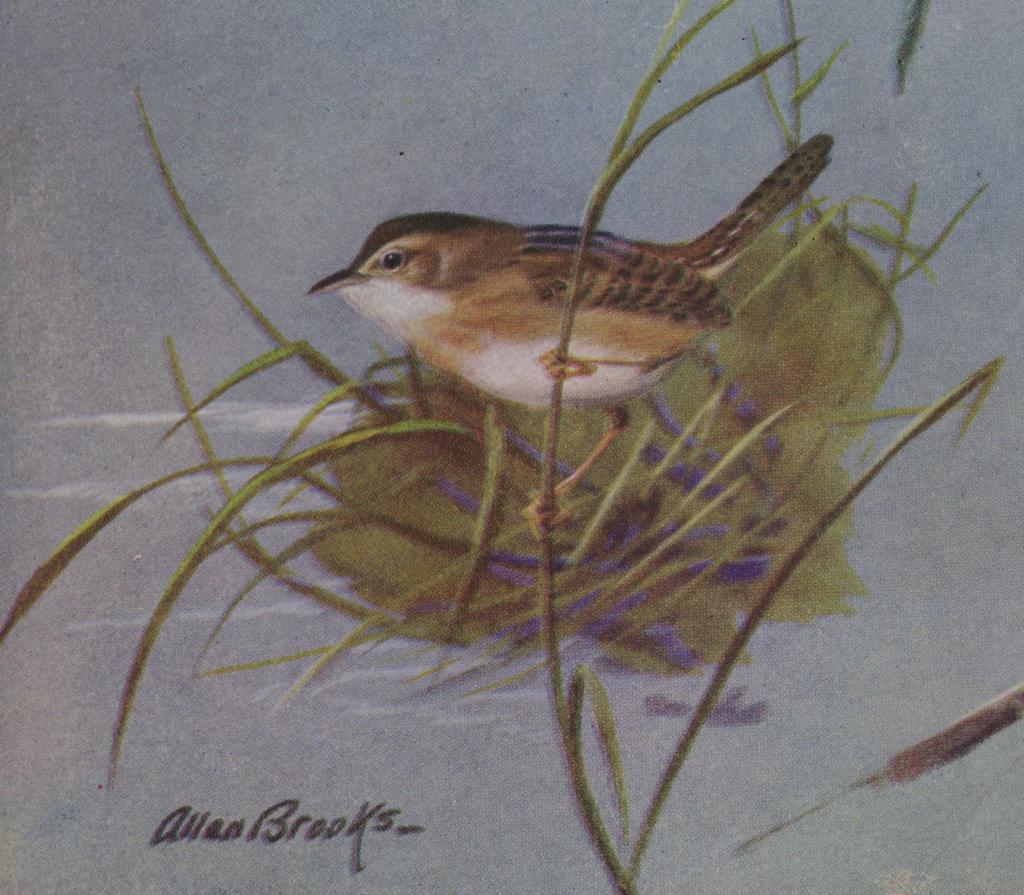
Short-billed marsh wren

Illustration by Allan Brooks

from The Chicago Daily Tribune
August 11, 1954

Wren Nests on Bus
A London wren nested beneath the running board of a bus that made daily trips to Swanley, Kent. In South Africa a mountain chat constructed its home and raised a family beneath a railroad coach that racketed back and forth daily on a 62 mile run.

Man also provides birds with nesting materials. A pigeon in New York City fashioned an ultramodern nest entirely of paper clips. Two crows in India had the same idea, but used spectacle frames stolen from an occulist. Bald eagles especially like curios and have embellished their nests with electric light bulbs, bottles, shoes, corn cobs and tattered magazines.

21 September 2005

Mexican sunflower


Last January I was in a Lowe's store, and the seed display had just been put on the floor. It's impossible for me to pass one up anywhere. While I was scanning the heirloom offerings and herbs, a man came over and said, "Here. Try these. I'm in the business, and I use them all the time." He handed me a packet of Tithonia, also called Mexican sunflower. I tried Tithonia a few years ago but didn't get the seeds started soon enough. Despite the cheery information on the envelope, they take about 120 days from seed to first bloom in a warm summer.

I started 12 plants and ended up with only 2. When I put them in the ground, I surrounded them with all kinds of protective barriers and babied them like crazy until they took off.

They tell you to plant these by an old barn or fence - old wood anyway - as a backdrop or to use as a summer hedge. They are spectacular. Bees and butterflies are constant visitors.